

If you are a company in need of a 3PL and are unsure of the best fit, contact 3PeeL to have a complimentary concierge 3PL Matchmaker create custom options for you to choose from. This no cost, no risk, no obligation service is provided to brands of all verticals and sizes.
Navigating the logistics of ecommerce is no small feat. Whether you’re a burgeoning startup or a well-established business, choosing the right fulfillment strategy is crucial. This decision can significantly impact your bottom line, operational efficiency, and customer satisfaction. In this article, we’ll delve into the financial implications and benefits of two primary logistics strategies: in-house fulfillment and third-party logistics (3PL).
Understanding In-House Fulfillment
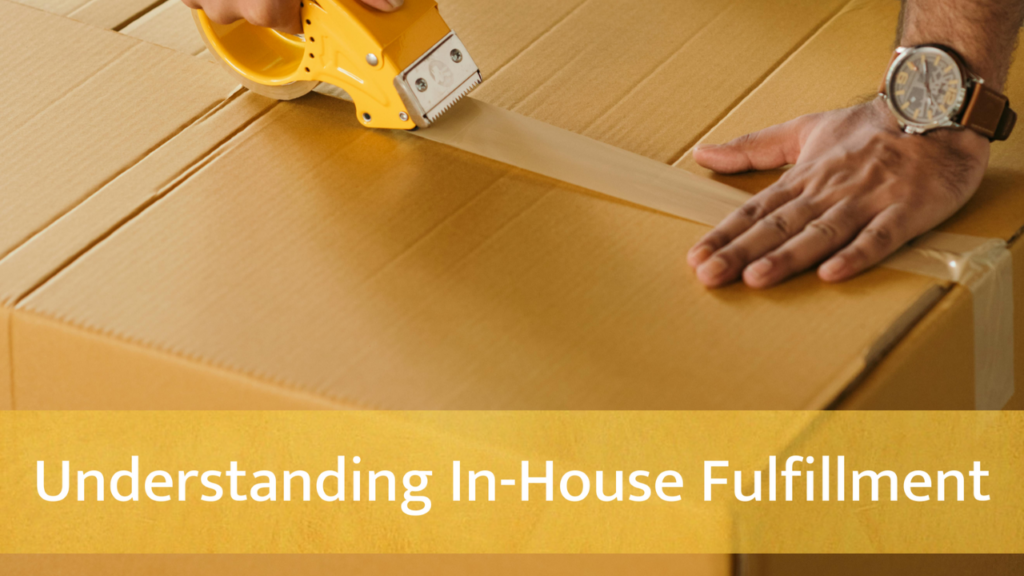
In-house fulfillment refers to managing the entire logistics process internally. This includes everything from warehousing, inventory management, and order picking to packing and shipping. Essentially, the business owns and operates the fulfillment infrastructure and processes.
Costs Associated with In-House Fulfillment
Running an in-house fulfillment operation involves several cost components:
- Initial Setup Costs: These include expenses for purchasing or leasing warehouse space, shelving, and other storage solutions, as well as investing in equipment such as forklifts and packing stations.
- Ongoing Operational Expenses: These cover utilities, maintenance, insurance, and other recurring costs to keep the warehouse running.
- Staffing and Training Costs: Hiring, training, and retaining a skilled workforce for warehousing and fulfillment tasks can be costly. This includes salaries, benefits, and training programs.
- Technology and Software Investments: Implementing and maintaining warehouse management systems (WMS), inventory tracking software, and other technological tools are necessary for efficient operations.
Advantages of In-House Fulfillment
- Full Control Over Operations: Businesses have complete oversight and control over every aspect of the fulfillment process.
- Customizable Processes: Companies can tailor their logistics processes to meet specific business needs and customer expectations.
- Direct Oversight of Quality and Customer Service: Direct management allows for stringent quality control and immediate resolution of customer service issues.
Challenges of In-House Fulfillment
- High Upfront and Ongoing Costs: Significant capital investment is required to set up and maintain in-house fulfillment operations.
- Scalability Issues: Scaling operations to accommodate business growth or seasonal demand spikes can be challenging and expensive.
- Complexity of Managing Logistics: Handling logistics internally can be complex and time-consuming, requiring specialized knowledge and expertise.
Costs Associated with Third-Party Logistics
- Service Fees and Contracts: 3PL providers typically charge service fees based on the scope of services provided. These can be structured as fixed monthly fees, per-order fees, or a combination of both.
- Variable Costs Based on Usage: Costs may vary based on factors such as order volume, storage space required, and shipping destinations.
- Potential Hidden Fees: It’s important to be aware of potential additional charges for services such as rush orders, special packaging, or returns processing.
Advantages of Third-Party Logistics
- Cost Savings on Infrastructure and Staffing: Outsourcing logistics eliminates the need for significant capital investment in warehousing and staffing.
- Access to Expertise and Technology: 3PL providers bring specialized knowledge, industry experience, and advanced technologies to the table.
- Scalability and Flexibility: 3PL services can easily scale up or down to accommodate changes in order volume, making them ideal for handling seasonal fluctuations and business growth.
Comparative Analysis: In-House vs. 3PL
When comparing in-house fulfillment with 3PL, several factors come into play:
- Cost Comparison: In-house fulfillment requires significant upfront investment, whereas 3PL services involve ongoing service fees. Depending on the business size and order volume, one option may be more cost-effective than the other.
- Impact on Scalability: 3PL providers offer greater scalability and flexibility, making them a better choice for businesses experiencing rapid growth or seasonal demand spikes.
- Quality Control and Customer Service: In-house fulfillment offers more direct control over quality and customer service. However, a reputable 3PL provider can also deliver high-quality service.
- Flexibility and Adaptability: 3PL services can adapt more quickly to changes in business needs and market conditions, providing a competitive edge.
Case Studies and Real-World Examples
Several businesses have successfully managed their logistics using in-house fulfillment. For instance, companies with specialized products that require unique handling processes often benefit from direct control over logistics. On the other hand, many ecommerce giants, such as Amazon, rely on 3PL providers to handle their massive order volumes and global shipping needs efficiently.
Key Considerations When Choosing Between In-House and 3PL
- Business Size and Growth Stage: Smaller businesses and startups may find 3PL more cost-effective, while larger enterprises might prefer the control of in-house fulfillment.
- Volume of Orders and Seasonal Fluctuations: Companies with consistent order volumes may benefit from in-house fulfillment, whereas those with significant seasonal variations might prefer the flexibility of 3PL.
- Long-Term Business Goals: Consider your long-term business objectives and how each fulfillment strategy aligns with those goals.
Hybrid Approach: Combining In-House and 3PL
A hybrid model, combining in-house and 3PL services, can offer the best of both worlds. This approach allows businesses to handle core products or specific regions internally while outsourcing other aspects of fulfillment to 3PL providers. This flexibility can enhance efficiency and cost-effectiveness.
Conclusion
Choosing between in-house fulfillment and third-party logistics is a critical decision that depends on various factors, including costs, scalability, control, and flexibility. By carefully evaluating your business needs and long-term goals, you can determine the best fulfillment strategy to optimize your operations and deliver exceptional customer service.


